

Thousands of UK players believed they’d hit life-changing jackpots before a technical glitch wiped their winnings. A night of euphoria turned into outrage.
When Jackpots Vanish: The Bingo Glitch That Shook UK Players

From Big Wins to Empty Accounts – The Summer Bingo Meltdown

The Night Thousands Thought They Struck Gold
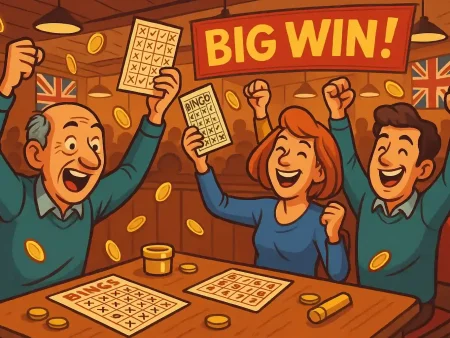
It started like every other Monday night. Pints on the side table, laptops open, and the familiar rhythm of numbers being called. Then, suddenly, screens lit up across the country: players were winning thousands. Not hundreds, not modest jackpots, but life-changing sums. One woman in Devon believed she’d pocketed nearly £10,000; a pensioner in Kent thought her dog’s operation was finally paid for. For a few fleeting hours, Britain’s bingo community felt the kind of euphoria that usually only follows a lottery win. The chat rooms buzzed with disbelief, hosts reassured everyone that the wins were genuine, and people began withdrawing their “winnings”. It felt too good to be true. And, of course, it was.
The Email That Broke the Dream
By morning, the dream dissolved. An email pinged into inboxes, casually explaining that a “technical glitch” had inflated prize pots to £1.6 million instead of £150. What was sold as a lucky night turned into bitter disappointment. One player said she’d planned to use her winnings to pay off her husband’s car; another had promised to fund her daughter’s driving lessons. Instead, they were left with apologies, refunded ticket prices, and the sharp taste of betrayal. The promises of hosts in chatrooms — “enjoy your winnings” — now seemed cruel echoes of a night gone wrong. What people lost wasn’t just money; it was trust.
Anger, Outrage and the Human Cost
The aftermath was ugly. Online forums and review sites exploded with fury, customers flooding platforms with one-star ratings and emotional testimonies. One man, recovering from a serious injury, said the win had felt like a lifeline before being snatched away. Another player admitted she’d already phoned her father to tell him she could repay a loan — only to later retract the promise. The financial blow was painful, but the psychological hit was worse. When ordinary people, many of them low-stakes players, feel toyed with by corporate giants, the sense of injustice burns hotter than any lost bet.
A Lesson in Trust for Britain’s Gambling Industry
This fiasco is bigger than one glitch. It’s a wake-up call for an industry already under scrutiny from regulators and politicians. Technical errors may happen, but how companies handle them defines their relationship with players. At thechickenroad.co.uk, we believe gambling should be fun, transparent, and fair — never a game of smoke and mirrors. When you pay for your ticket, you expect the odds, however slim, to be real. Britain’s bingo halls and casinos thrive on nostalgia and trust. Break that bond, and the fallout lingers long after the refunds are processed. The industry must learn: players aren’t pawns.
Recent News






Top Rated Casinos

WinWinter Casino welcomes UK players with a bonus package of up to $2400 + 100 free spins. Explore slots, sportsbook betting, and live casino games with crypto-friendly payments and mobile support.

BetCleo Casino welcomes new players with a 100% first deposit bonus plus 100 free spins. Explore Egyptian-themed slots, live casino games, and premium promotions with fast withdrawals across desktop and mobile devices.

Bet4Star Casino welcomes UK players with a multi-deposit bonus package featuring up to £2,500 plus 500 free spins. Enjoy slots, crash games, and live casino action with secure payments and fast withdrawals across desktop and mobile devices.




Thechickenroad.co.uk is intended for users over 18 only. Gambling can be addictive — play responsibly.
More information at BeGambleAware.org
© 2026 Thechickenroad.co.uk — All rights reserved.